Blog

Red-necked Stint & Others

There were a couple of interesting sightings to consider when it came time to decide where to go today. I went with the Red-necked Stint in Boundary Bay as this is a bird I have yet to see and photograph. I arrived prior to the not so high tide, but conditions along the beach were ideal for the type of bird I was hoping to see. Encouraging news from a couple of birders already there, including Kevin who initially located it, that the Red-necked Stint was present again this afternoon. Now to try and find the one amongst the hundreds of Semipalmated Plovers, Least Sandpipers and Semipalmated Sandpipers. Not having any luck from the dyke, I spent a short time out on the beach. While it was seen again by some, I was not one of them. On returning to the dyke several others birders arrived also hoping to catch a glimpse of this rare visitor. It was not long before it was located again and this time I did manage some distant views, but no photos. With all these people here to see the bird I was not about to head back out on to the beach and risk flushing it. Once everyone had good looks at the bird and were starting to leave I made my way back down to the beach. I was joined for a short while by Roger who helped in relocating the bird again, but once again no photos. After Roger left I continued on, after all there were other birds around. One first of the summer/fall,
Baird's Sandpiper
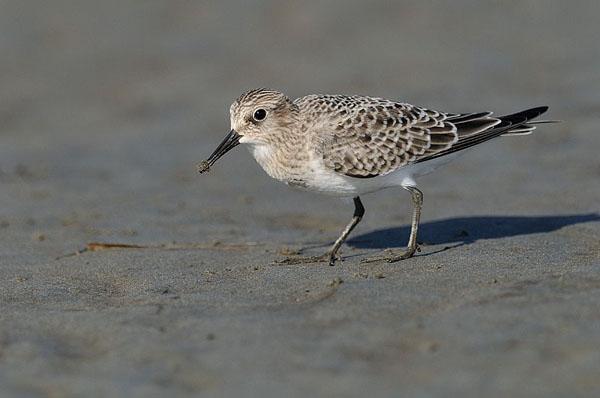
Baird’s Sandpiper

… were some Baird’s Sandpiper. There were only a few that I saw. As noted earlier,
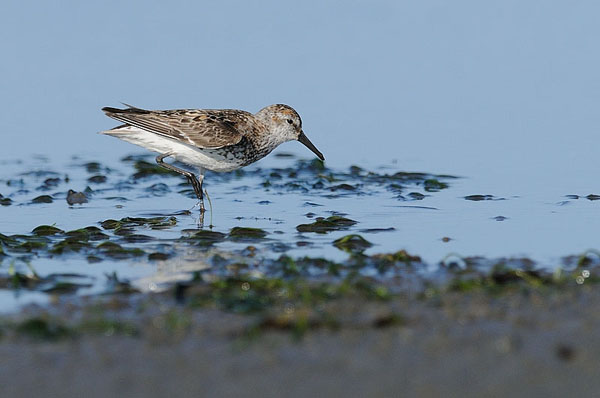
Semipalmated Sandpiper

… there were lots of Semipalmated Sandpipers,

Least Sandpiper
Least Sandpiper

… Least Sandpipers,

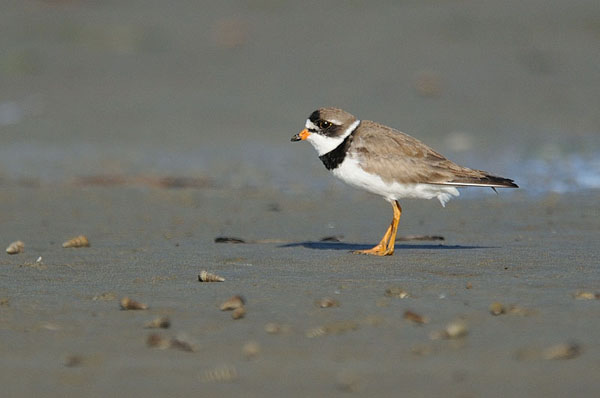
Semipalmated Plover
Semipalmated Plover

… and Semipalmated Plovers. The next interesting photo opportunity,
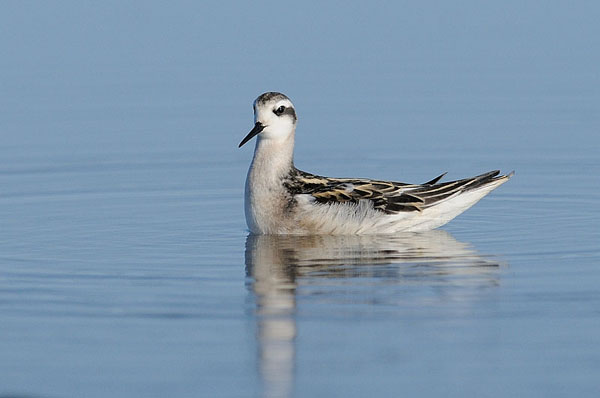
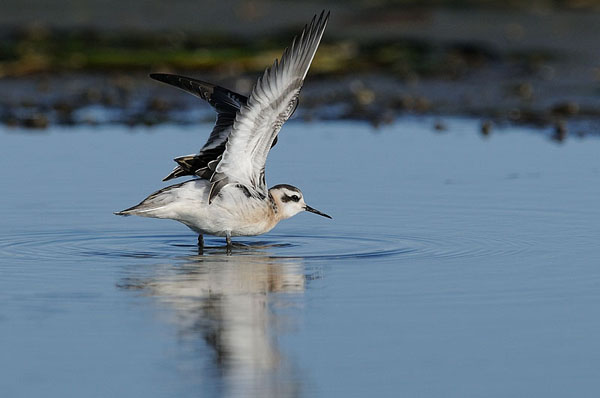
Red-necked Phalarope

… a Red-necked Phalarope.

Red-necked Phalarope

Likely the same bird Roger had spotted while with me earlier on the beach. While photographing the Phalarope I was still watching the other sandpipers coming and going when lo and behold,
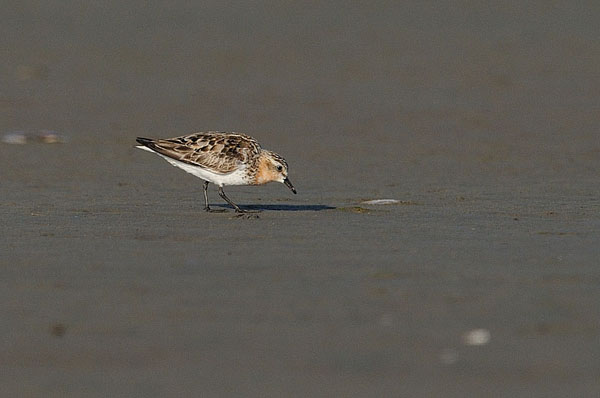
Red-necked Stint
Red-necked Stint

… the Red-necked Stint made an appearance.
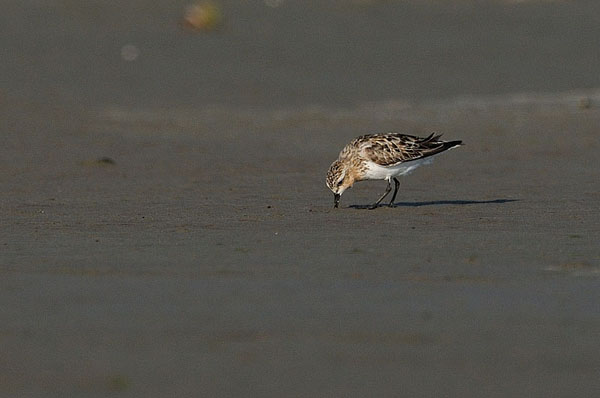
Red-necked Stint
Red-necked Stint

The Red-necked Stint is a rare Asian visitor/migrant in these parts.
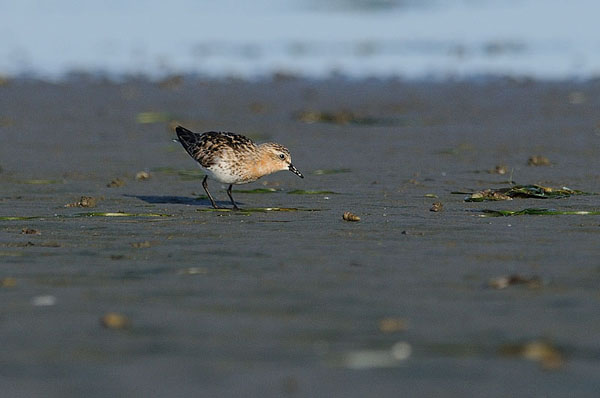
Red-necked Stint
Red-necked Stint

Needless to say this made my afternoon and a nice addition to the life photo list.
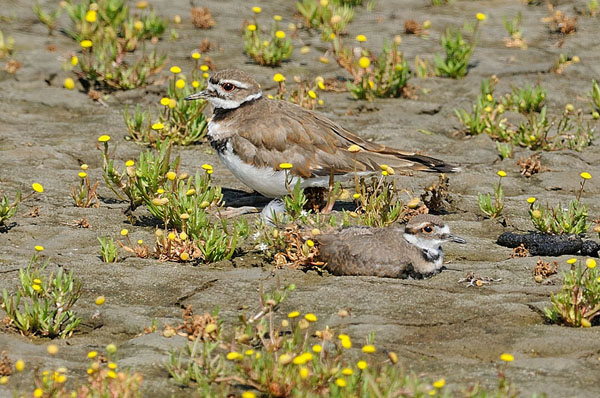
Killdeer & Cedar Waxwing

Started off this afternoon at Reifel. While still fairly quiet there was a Red-necked Phalarope in with the Yellowlegs and Dowitchers today. It just never came close enough for a decent photo. There was also a handful of Least Sandpipers present as well. At the other end of the outer ponds,

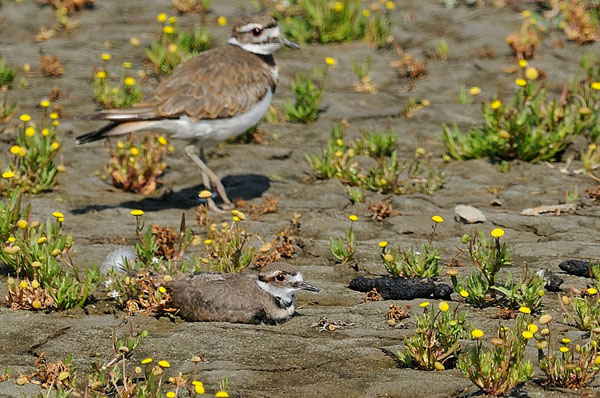
Killdeer & Juvenile
Killdeer & Juvenile

… the Killdeer and its juvenile (foreground) were a little closer to the dyke.

Killdeer & Juvenile
Killdeer & Juvenile

The juvenile Killdeer has grown quite a bit since I saw it last. From here I headed off to the North 40 where I had not been in some time. Things were not looking any busier there until something caught my eye amongst the branches of a tree.

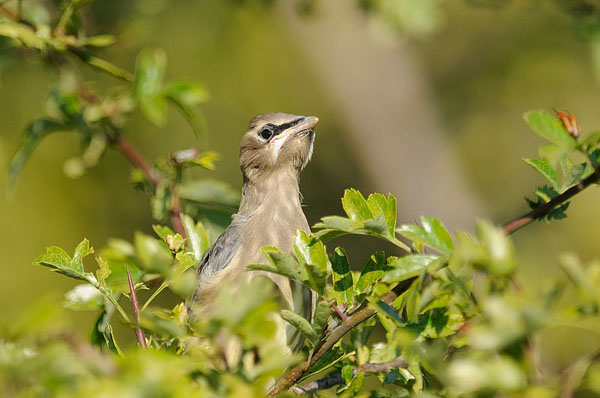
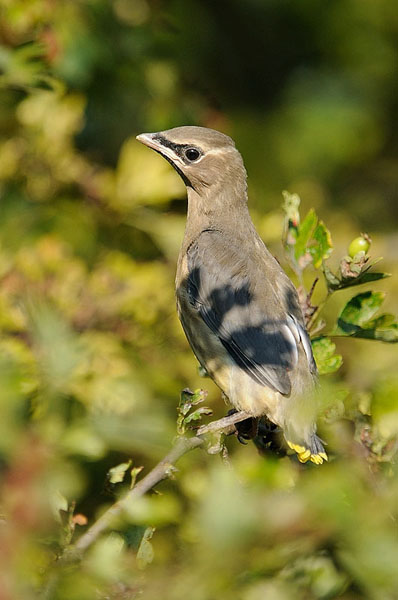
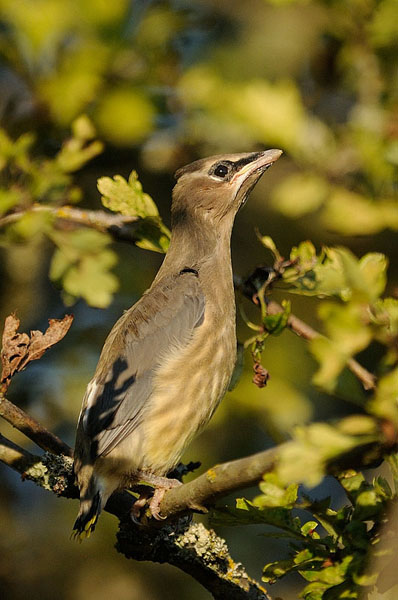
Cedar Waxwing Juvenile

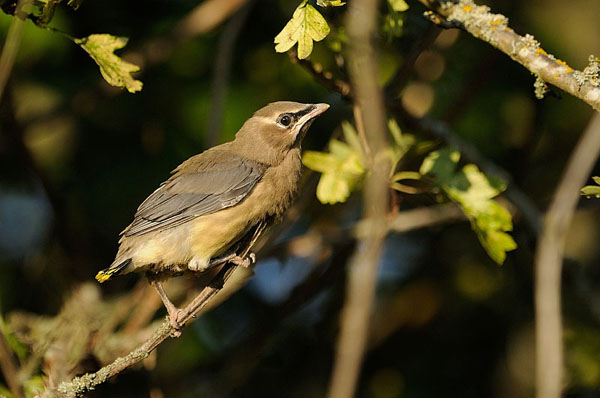
It was a juvenile Cedar Waxwing.

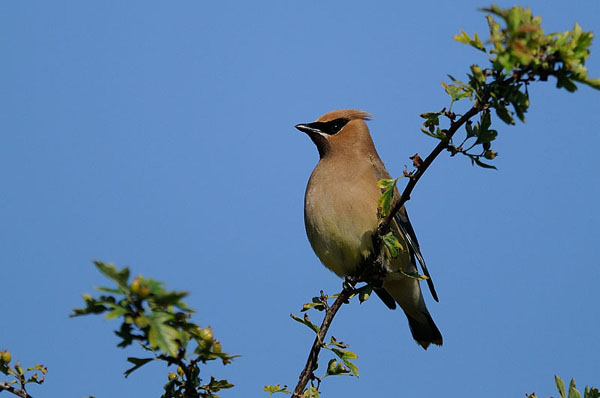
Cedar Waxwing
Cedar Waxwing

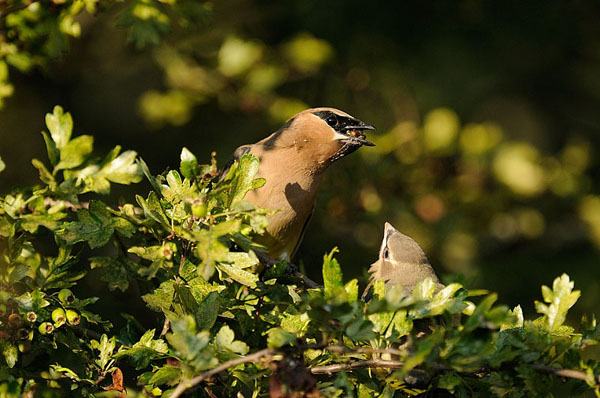
And not far off higher up in an adjacent tree was one of the adults. Being the wonderful late afternoon that it was I felt this was worth spending a little time with.

Cedar Waxwing Juvenile

The juvenile Cedar Waxwing was mobile, but not flying yet. I positioned myself far enough away as not to be a concern for the adults, but still close enough for photos. Then it was a matter of keeping still, waiting and hoping to catch some feeding behaviour.

Cedar Waxwing Feeding Juvenile

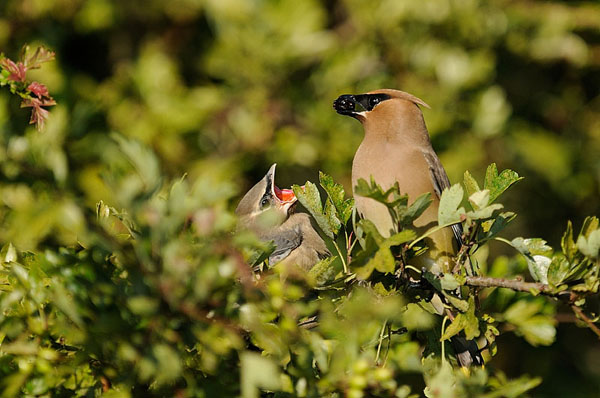
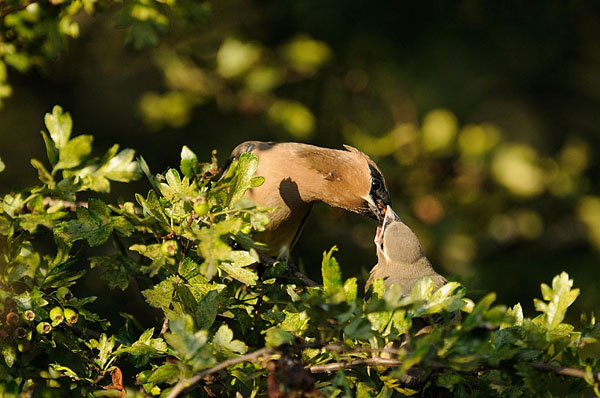
Then one of the adults came in to feed the juvenile.

Cedar Waxwing Feeding Juvenile

This time around it was regurgitating whole berries. Unfortunately the juvenile had moved and was not as visible as I would have liked.

Cedar Waxwing Feeding Juvenile

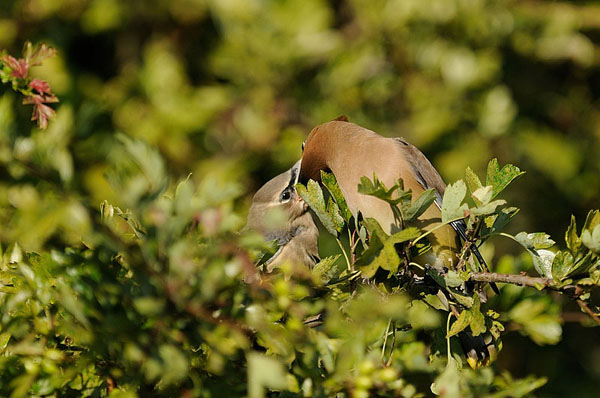
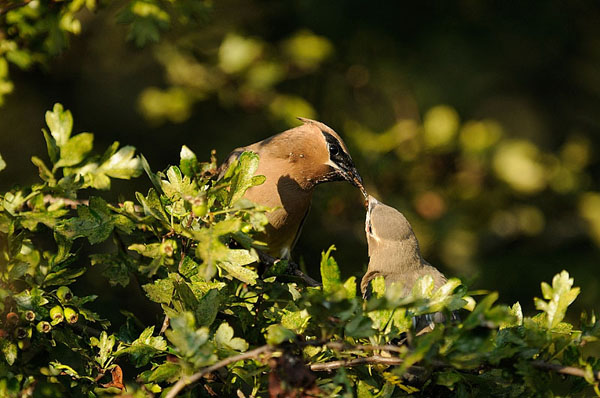
Next feeding appeared to be some nice gooey insects.

Cedar Waxwing Feeding Juvenile

After which the juvenile did come out a little more into the open,

Cedar Waxwing Juvenile

… and then started to move around again.

Cedar Waxwing Juvenile

Once it had settled in this tree I decided it was time to move on. This was the first time I have managed to capture this behaviour with the Waxwings and enjoyed every minute of it.

Swallow, Yellowlegs & Owl

On arriving to volunteer at Reifel this afternoon there was a Belted Kingfisher along Robertson Slough. It did not stick around when I got out to walk the driveway. This is the first one I have seen in a while. Carrying on I reached the the parking lot the same time as a couple of bus loads of people.  Still, it was not overly busy on the people front. Birding wise it remains fairly quiet. There was an adult Great Horned Owl being harassed by Crows near the picnic area which did not stay long. While walking the outer dyke checking the handful of shorebirds in the ponds I noticed a Phalarope in with some Yellowlegs. It was all the way across the pond and to far off for me to properly identify. I decided to head to the blind off the centre dyke trail to see if I could get a closer look. By the time I reached the blind, the Phalarope was gone. As a consolation, there was a Barn Swallow family roosting on some branches just outside one of the blind openings.

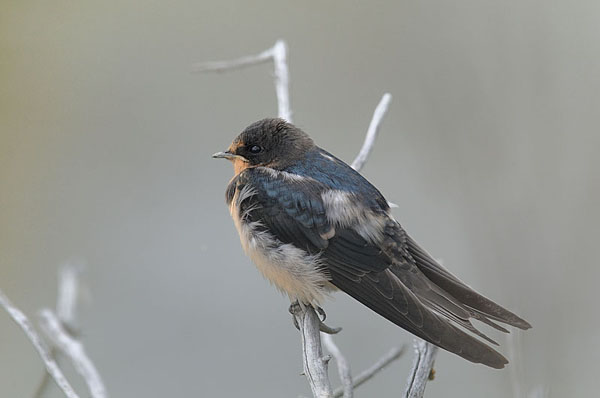
Barn Swallow
Barn Swallow

This is one of the juvenile Barns Swallows. Only problem being the opening is too small for my lens to shoot through and resulted in a soft photo which I tried to correct. From here I headed back to the tower area.

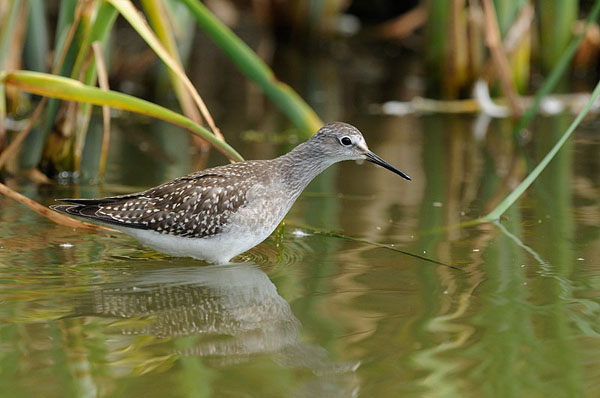
Lesser Yellowlegs
Lesser Yellowlegs

The Lesser Yellowlegs I noted earlier was in a slightly better spot for a photo this time. Then came word of another Great Horned Owl along one of the inside trails.

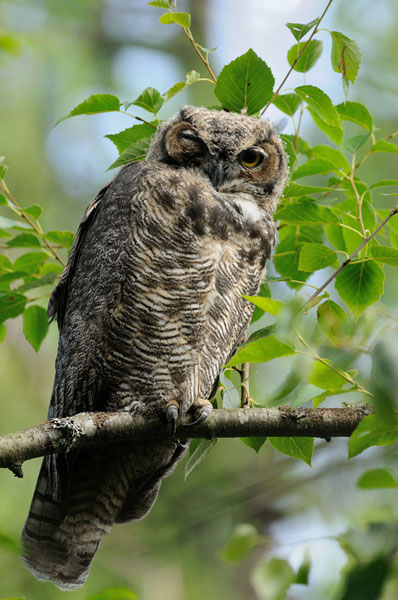
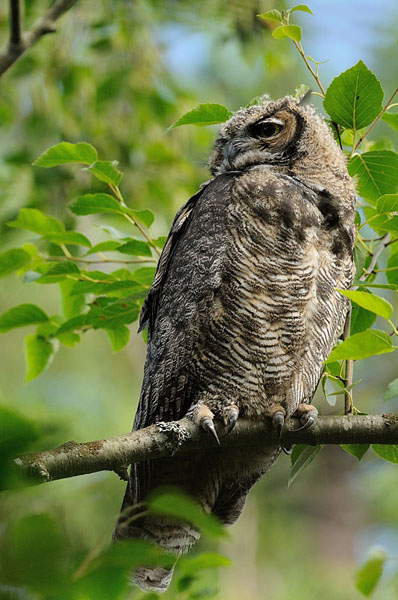
Great Horned Owl
Great Horned Owl

This one being a juvenile with the lack of large broad ear tufts of an adult and still somewhat fuzzy head. This young bird also seemed to be favouring its right eye.

Great Horned Owl
Great Horned Owl

I look forward to seeing the young owls each year. The adults have been nesting in the area for many years now. To finish the afternoon off, one of the Swainson’s Thrush came in and scolded the young owl for a short time. Of course it did not want to pose nicely like the owl and remained tucked away in the branches. A quiet but not uneventful afternoon.