Deprecated: Using null as an array offset is deprecated, use an empty string instead in /var/www/vhosts/crazym.ca/httpdocs/blog/wp-includes/class-wp-hook.php on line 91 Birding in British Columbia – Page 106 – CrazyM Bird & Nature Photography
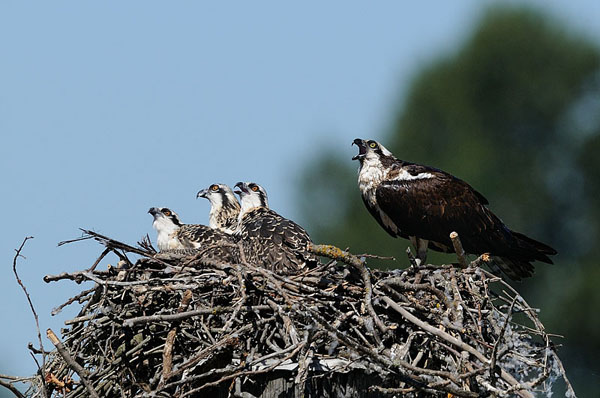
It has been three weeks since I was last at the Osprey nest. A lot can happen in 21 days, so it was time for another visit this morning.
Osprey Chicks
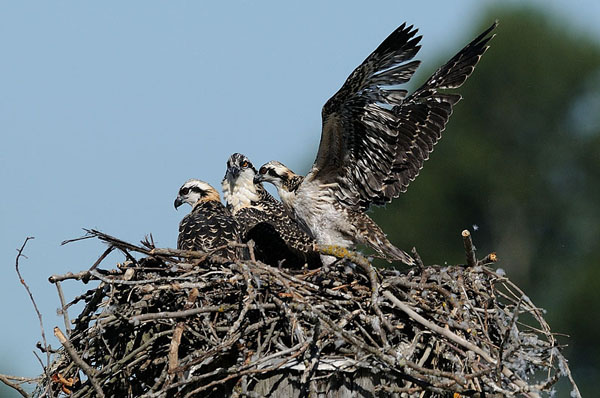
Have they ever grown! This is one of the chicks exercising its wings.
Osprey Chicks
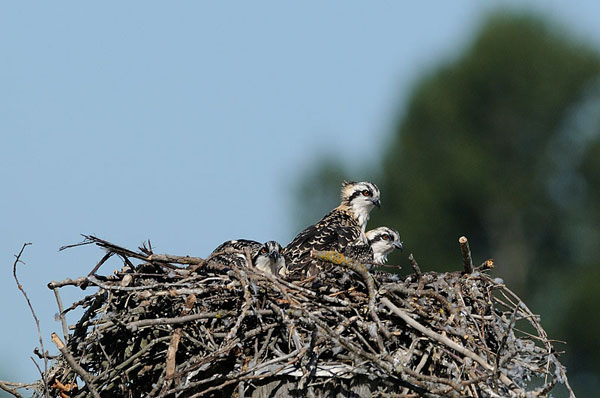
The other good news as you can see is all three chicks are healthy and still with us.
Osprey
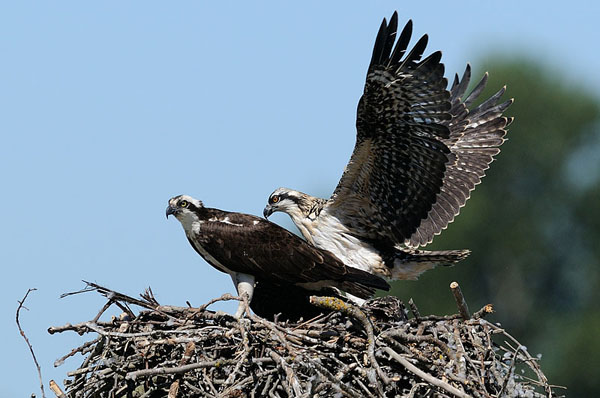
They would take turns flapping their wings,
Osprey
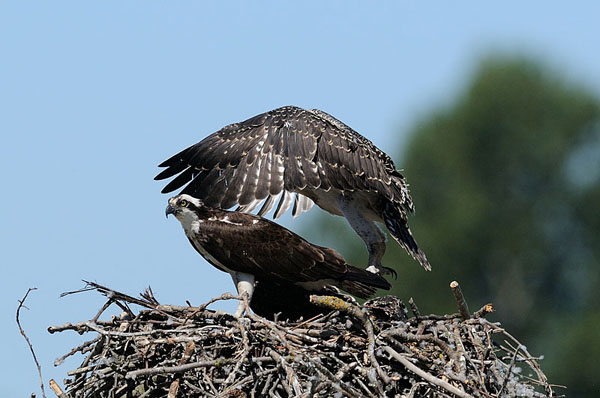
… with this one hovering above the adult female. The adult male had delivered a fish that was on the smallish side,
Osprey
… and devoured quickly. Afterwards the chicks and adult female put up quite a stink. Perhaps they were complaining, but it did provide this nice group shot. It will not be long now before the chicks fledge and leave the nest.
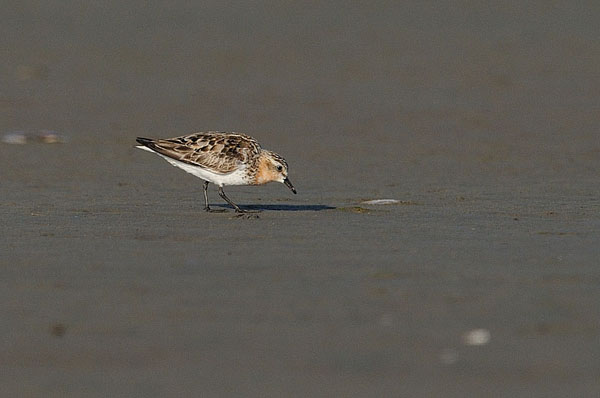
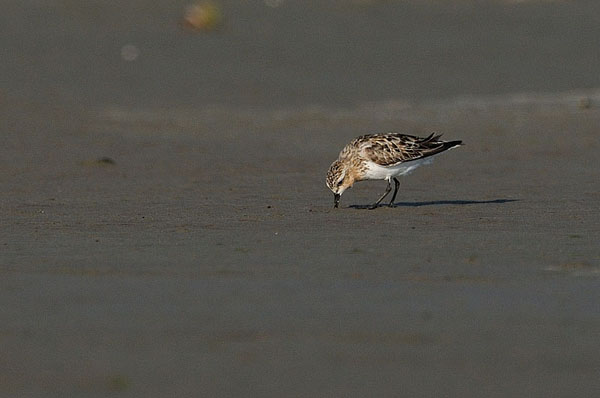
There were a couple of interesting sightings to consider when it came time to decide where to go today. I went with the Red-necked Stint in Boundary Bay as this is a bird I have yet to see and photograph. I arrived prior to the not so high tide, but conditions along the beach were ideal for the type of bird I was hoping to see. Encouraging news from a couple of birders already there, including Kevin who initially located it, that the Red-necked Stint was present again this afternoon. Now to try and find the one amongst the hundreds of Semipalmated Plovers, Least Sandpipers and Semipalmated Sandpipers. Not having any luck from the dyke, I spent a short time out on the beach. While it was seen again by some, I was not one of them. On returning to the dyke several others birders arrived also hoping to catch a glimpse of this rare visitor. It was not long before it was located again and this time I did manage some distant views, but no photos. With all these people here to see the bird I was not about to head back out on to the beach and risk flushing it. Once everyone had good looks at the bird and were starting to leave I made my way back down to the beach. I was joined for a short while by Roger who helped in relocating the bird again, but once again no photos. After Roger left I continued on, after all there were other birds around. One first of the summer/fall,
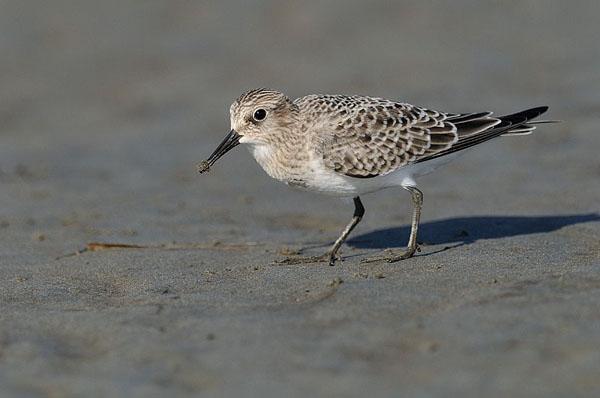
Baird’s Sandpiper
… were some Baird’s Sandpiper. There were only a few that I saw. As noted earlier,
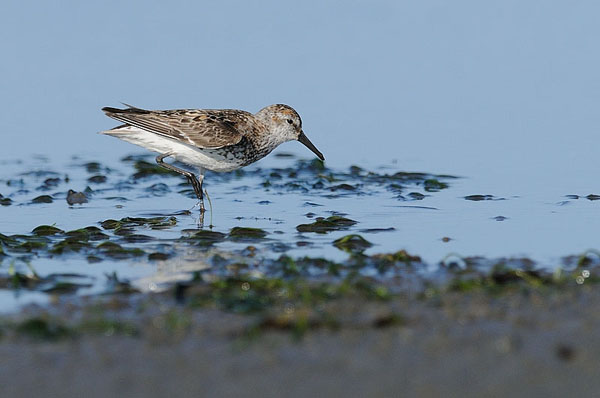
Semipalmated Sandpiper
… there were lots of Semipalmated Sandpipers,
Least Sandpiper
… Least Sandpipers,
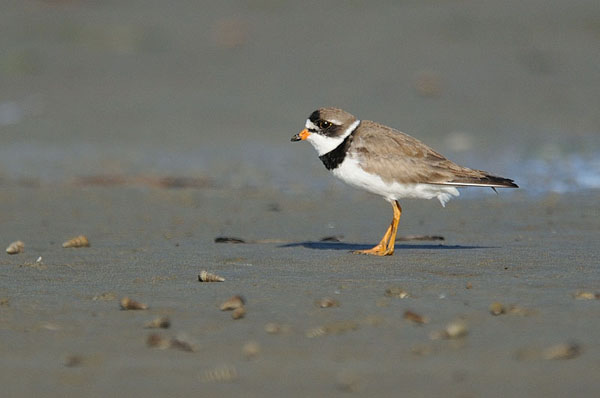
Semipalmated Plover
… and Semipalmated Plovers. The next interesting photo opportunity,
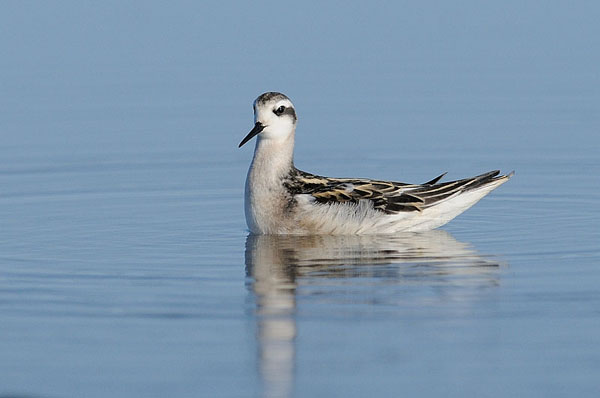
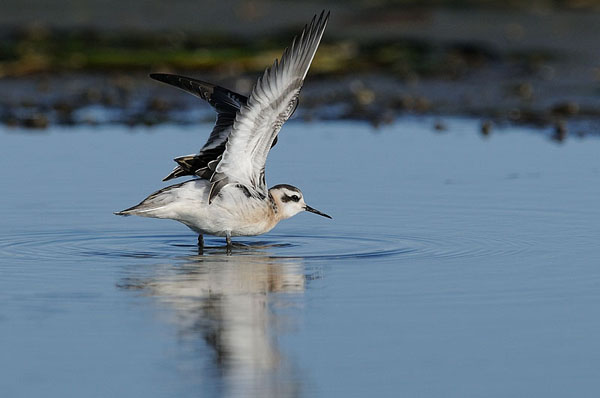
Red-necked Phalarope
… a Red-necked Phalarope.
Red-necked Phalarope
Likely the same bird Roger had spotted while with me earlier on the beach. While photographing the Phalarope I was still watching the other sandpipers coming and going when lo and behold,
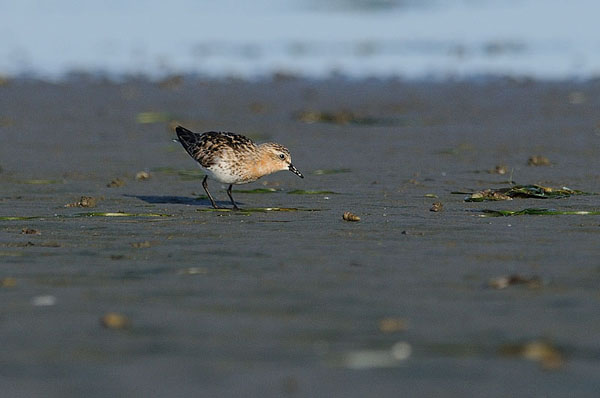
Red-necked Stint
… the Red-necked Stint made an appearance.
Red-necked Stint
The Red-necked Stint is a rare Asian visitor/migrant in these parts.
Red-necked Stint
Needless to say this made my afternoon and a nice addition to the life photo list.
Started off this afternoon at Reifel. While still fairly quiet there was a Red-necked Phalarope in with the Yellowlegs and Dowitchers today. It just never came close enough for a decent photo. There was also a handful of Least Sandpipers present as well. At the other end of the outer ponds,
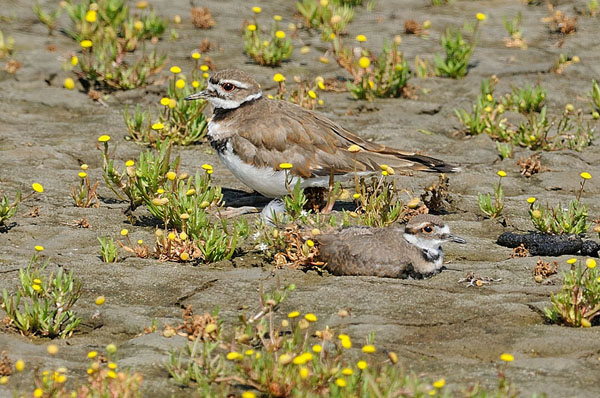
Killdeer & Juvenile
… the Killdeer and its juvenile (foreground) were a little closer to the dyke.
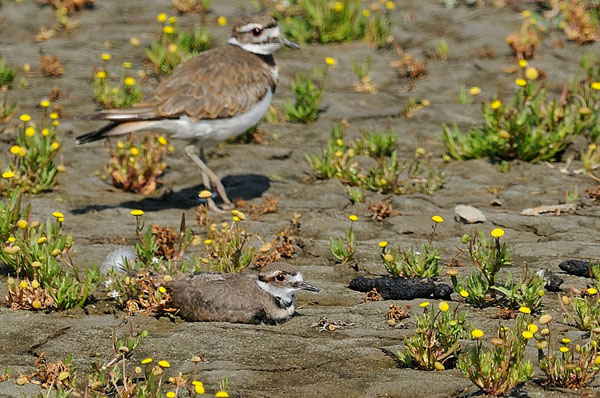
Killdeer & Juvenile
The juvenile Killdeer has grown quite a bit since I saw it last. From here I headed off to the North 40 where I had not been in some time. Things were not looking any busier there until something caught my eye amongst the branches of a tree.
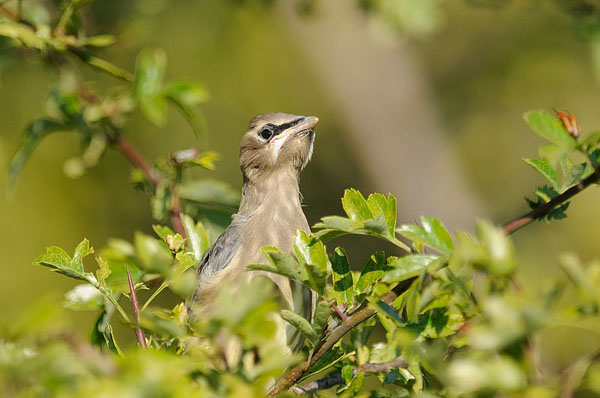
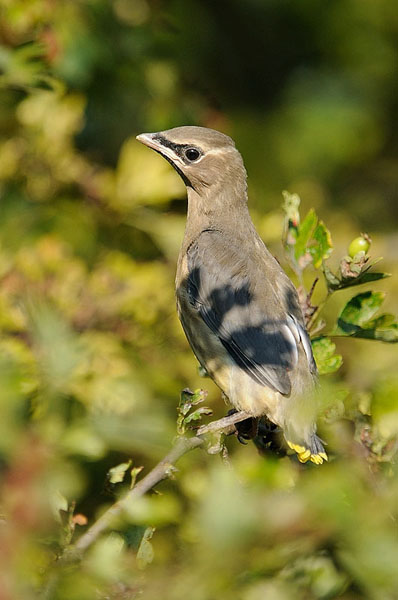
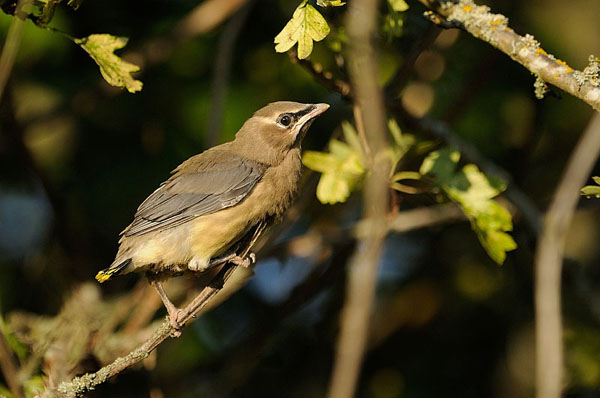
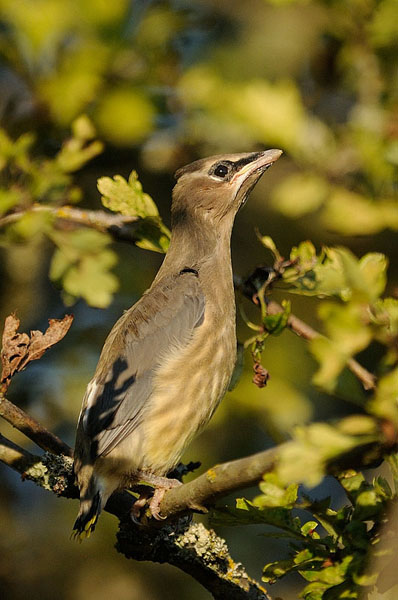
Cedar Waxwing Juvenile
It was a juvenile Cedar Waxwing.
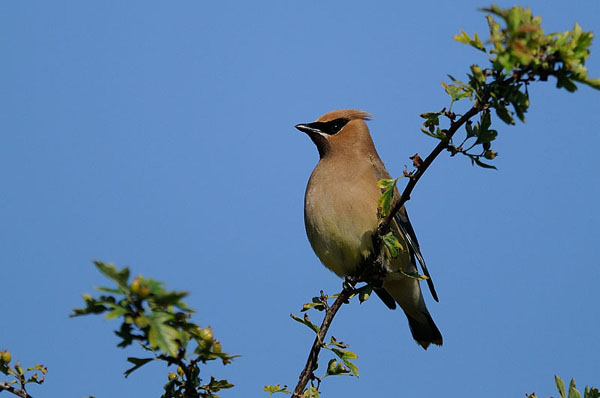
Cedar Waxwing
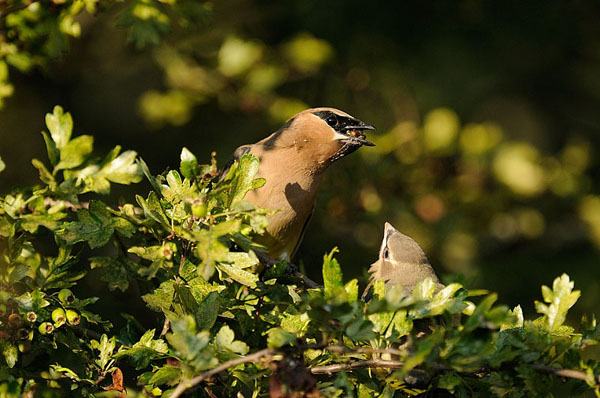
And not far off higher up in an adjacent tree was one of the adults. Being the wonderful late afternoon that it was I felt this was worth spending a little time with.
Cedar Waxwing Juvenile
The juvenile Cedar Waxwing was mobile, but not flying yet. I positioned myself far enough away as not to be a concern for the adults, but still close enough for photos. Then it was a matter of keeping still, waiting and hoping to catch some feeding behaviour.
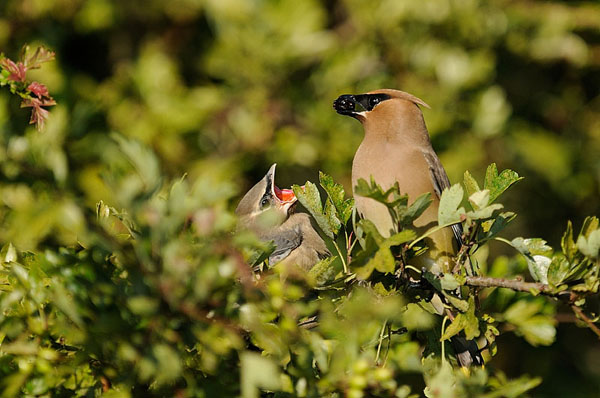
Cedar Waxwing Feeding Juvenile
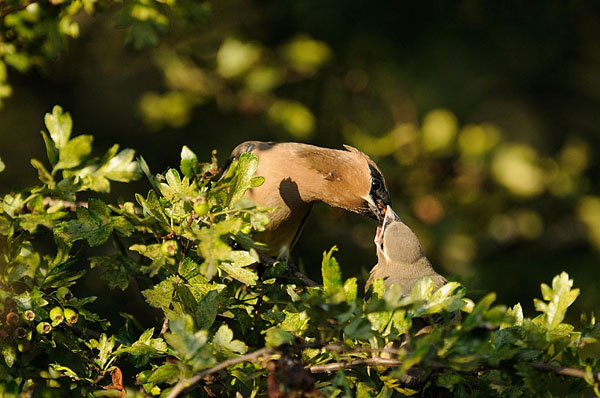
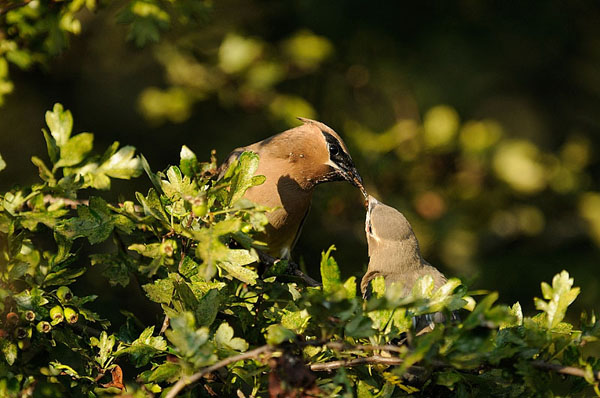
Then one of the adults came in to feed the juvenile.
Cedar Waxwing Feeding Juvenile
This time around it was regurgitating whole berries. Unfortunately the juvenile had moved and was not as visible as I would have liked.
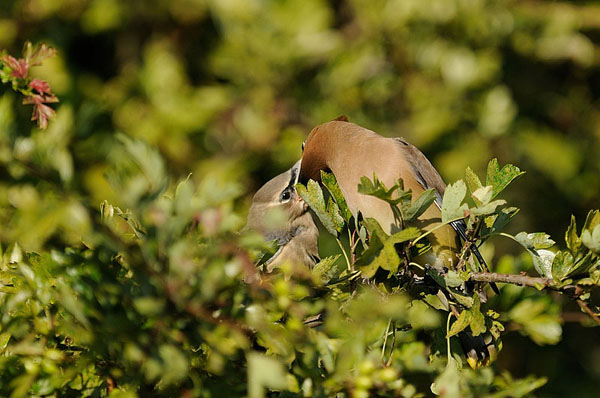
Cedar Waxwing Feeding Juvenile
Next feeding appeared to be some nice gooey insects.
Cedar Waxwing Feeding JuvenileCedar Waxwing Feeding Juvenile
After which the juvenile did come out a little more into the open,
Cedar Waxwing Juvenile
… and then started to move around again.
Cedar Waxwing Juvenile
Once it had settled in this tree I decided it was time to move on. This was the first time I have managed to capture this behaviour with the Waxwings and enjoyed every minute of it.